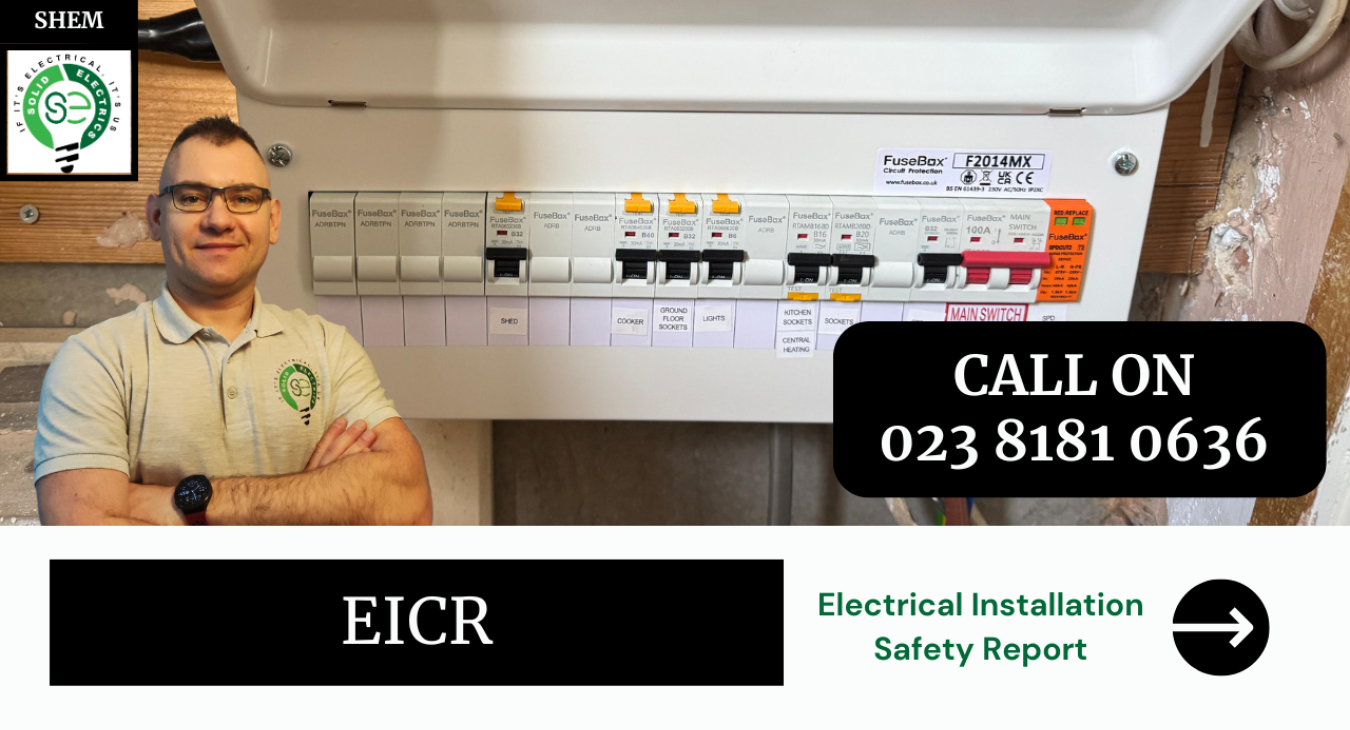
A straightforward guide to Electrical Installation Condition Reports — what they check, what the codes mean, and why the cheapest option is not always the safest.
If you own or rent a property, you have probably heard the term EICR at some point. Maybe your landlord mentioned it, your estate agent asked for one, or you just want to know whether the electrics in your home are safe. Either way, this guide explains what an EICR actually is, who needs one, and what to expect — in plain English.
What Is an EICR?
EICR stands for Electrical Installation Condition Report. It is a formal inspection and test of the fixed electrical installation in a property — the wiring, consumer unit, sockets, light circuits, earthing, bonding and protective devices.
An EICR is not just paperwork. It is a detailed condition report that tells you whether the electrical installation is safe, whether any faults need urgent attention, and whether anything could be improved.
The electrician carrying out the EICR should test the circuits, inspect the installation visually, and then explain the findings clearly so you understand what needs doing and what does not.
Who Needs an EICR?
EICRs are relevant to several groups:
- Landlords — Since 2020, landlords in England are legally required to have an EICR carried out on rental properties at least every five years, or before new tenants move in. The report must be provided to tenants within 28 days.
- Homeowners — There is no legal requirement for homeowners, but an EICR is a sensible way to check the safety of your home, especially if the property is older or you have no record of previous electrical work.
- Property buyers — If you are purchasing a property, an EICR can highlight electrical issues that a standard home survey may not cover. It gives you a clearer picture of the condition of the installation before you commit.
- Insurance and mortgage purposes — Some insurers or lenders may request an up-to-date electrical safety certificate as part of their conditions.
What Happens During an EICR?
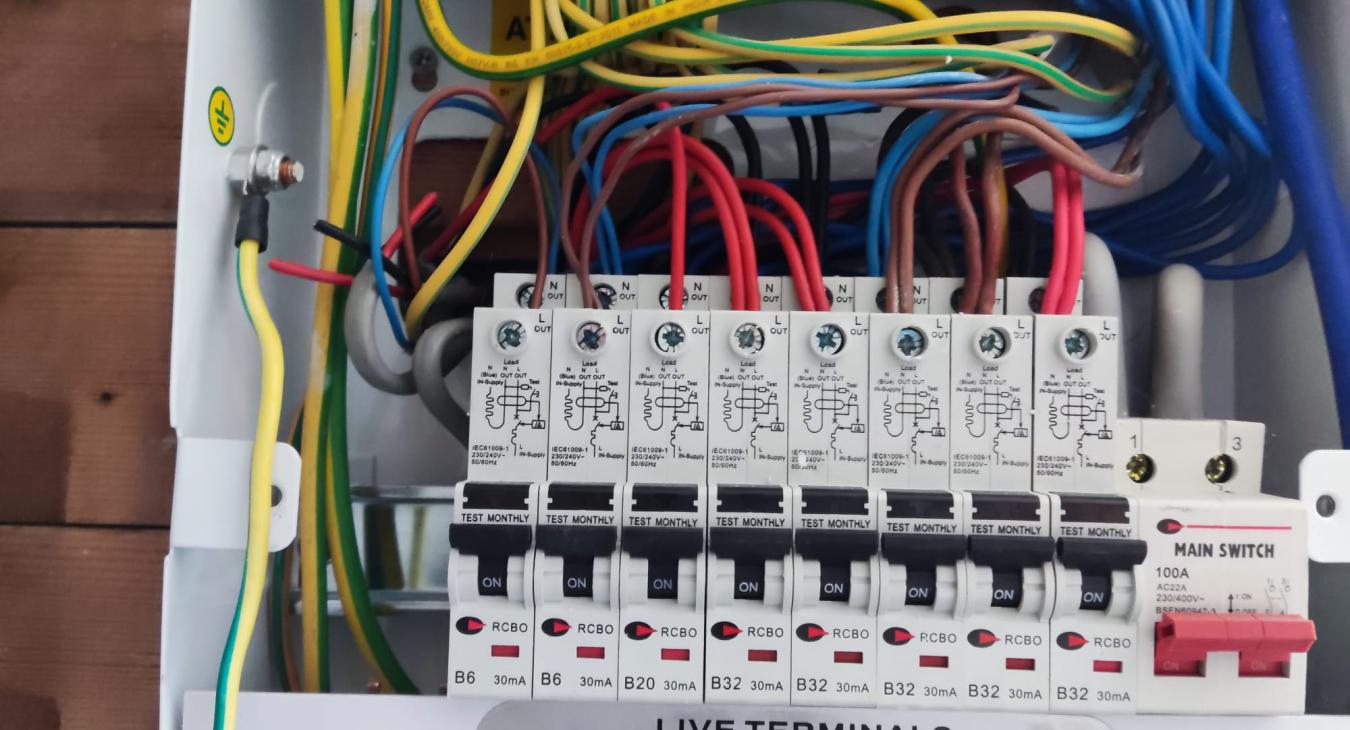
A proper EICR involves both visual inspection and electrical testing. The electrician will need access to the consumer unit (fuse box), sockets, light fittings and any other parts of the fixed installation.
During the inspection, circuits are tested for insulation resistance, earth fault loop impedance, polarity, RCD operation and continuity. The electrician also checks for visible damage, signs of overheating, missing protection and any parts of the installation that do not meet current safety standards.
Power will need to be turned off to individual circuits during testing, so it is worth being prepared for some disruption. A typical domestic EICR takes a few hours depending on the size of the property and the number of circuits.
Understanding EICR Observation Codes
When the EICR is complete, any issues found are recorded using standard observation codes. These tell you how serious each issue is:
- C1 — Danger present. Risk of injury. Requires urgent attention and should be addressed immediately.
- C2 — Potentially dangerous. Not immediately life-threatening but could become dangerous. Should be rectified as soon as possible.
- C3 — Improvement recommended. Not a safety risk right now, but upgrading would improve the installation. These are advisory, not mandatory.
- FI — Further investigation required. The electrician could not fully assess a particular area and recommends closer inspection.
The important part is not just getting a certificate — it is understanding what the report means. A good electrician should explain what is urgent, what is recommended, and what needs further investigation, so you can make informed decisions.
Be Careful with Very Cheap EICRs
A proper EICR takes time. The electrician needs to inspect the installation carefully, test each circuit individually, and document everything accurately. That is not something that can be rushed.
Be careful with very cheap EICRs. Some are used just to find extra work — the report flags issues that generate follow-up jobs rather than giving you an honest assessment of your installation. Others cut corners on testing, which defeats the purpose entirely.
The cost of an EICR depends on the size of the property, number of circuits, number of consumer units and ease of access. Rather than choosing the cheapest option, look for an electrician who is competent in inspection and testing and who will explain the results properly.
How Often Should You Get an EICR?
The recommended intervals are:
- Rental properties: Every 5 years or at change of tenancy (legally required for landlords in England)
- Owner-occupied homes: Every 10 years as a guideline, or sooner if the property is older or you suspect issues
- After any major electrical work: A new EICR can confirm everything is in order
If your property has old wiring, a dated consumer unit, or you have never had the electrics checked, an EICR is a practical first step. It gives you a clear baseline of where things stand.
What Happens If Issues Are Found?
If the EICR identifies C1 or C2 observations, remedial work is needed. For landlords, this work must be completed within 28 days (or sooner for C1 issues) and evidence provided to the local authority if requested.
For homeowners, the decision is yours, but any C1 or C2 issues should be taken seriously. The electrician should explain the options clearly so you understand what is involved and can plan accordingly.
Sometimes an EICR reveals that a consumer unit upgrade is needed, or that older wiring requires attention. These are not scare tactics — they are findings based on testing. A trustworthy electrician will explain the difference between what is essential and what is simply a recommendation.
Book an EICR in Southampton
At Solid Electrics, we carry out EICRs in Southampton for homeowners, landlords and property buyers. We provide clear explanations and practical advice — not just confusing codes on a form.
If you need an electrical safety report, or you are not sure whether your property needs one, get in touch with Solid Electrics. We will explain what is involved and give you honest advice on whether an EICR is the right next step.
You can also read more about our EICR service or browse our other guides for practical electrical advice.