Getting a home electric car charger starts with your parking space and electrical supply. Choose a suitable charger, agree the cable route and any upgrades, then have the installation tested and the relevant notifications completed. The result should be charging that fits your car and daily routine.
Here is how to plan home EV charger installation in Southampton, from your first photographs through to handover.
Step 1: Check your parking space and permissions
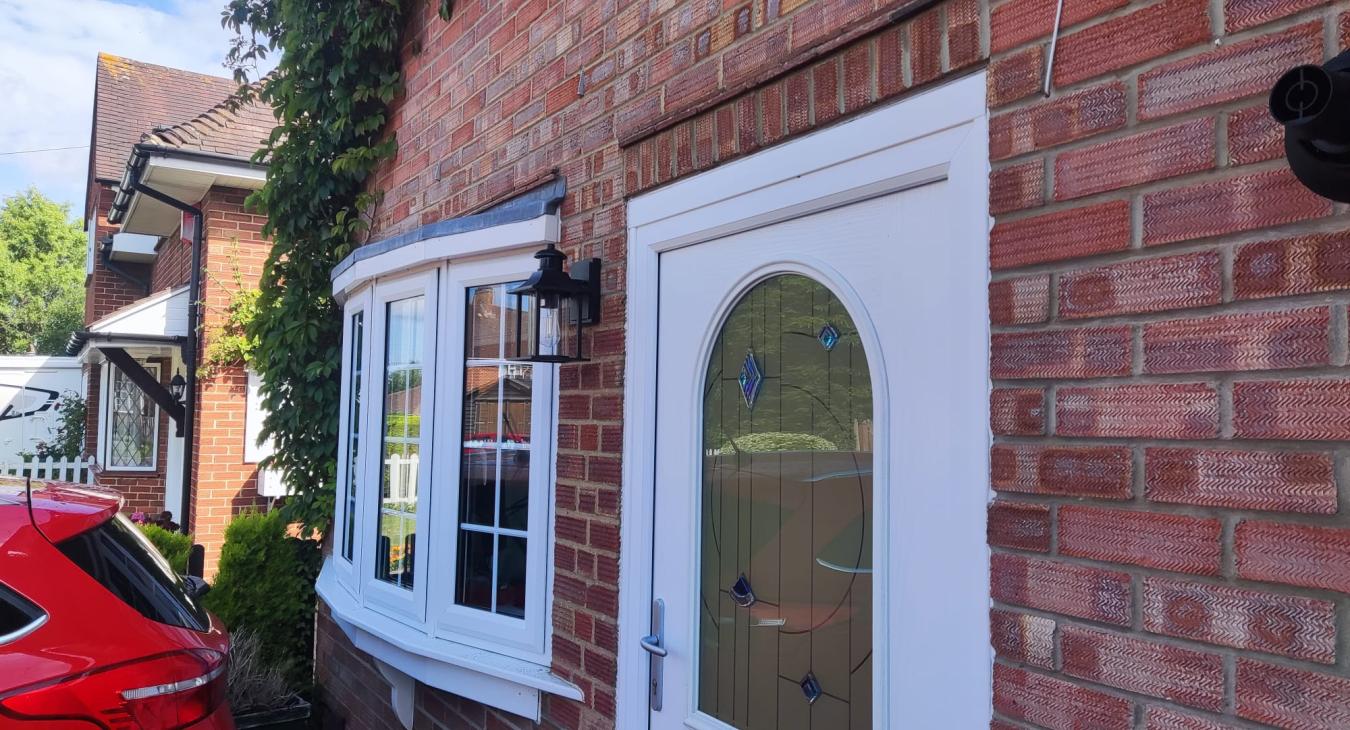
A driveway, garage or private parking space normally makes home charging easier. Check where the car's charging port sits, how you park and whether the cable can reach without obstructing access.
If you park on the road, do not assume you can trail a cable across the pavement or install a channel yourself. Ask the local highway authority what arrangements, permissions or schemes are available before buying equipment.
For rented homes, flats or shared parking, obtain the necessary written permissions from the landlord, freeholder or managing agent. Agree the charger position, cable route and any work on communal areas before installation is booked.
Step 2: Choose a charger that suits your car and supply
A single-phase charger rated around 7kW is a common choice for home charging. It is not automatically suitable at full output in every property: the available supply, other electrical loads and any load-management arrangement must be assessed.
A 22kW AC charger generally needs a three-phase supply, and the car must support that AC charging rate to benefit. A higher number on the charger does not guarantee faster charging for your vehicle.
- Tethered or socketed: a tethered unit has a fixed cable; a socketed unit uses a separate compatible cable. Check cable length and where it will be stored.
- Smart charging: consider scheduling, app usability and compatibility with your intended tariff.
- Connectivity: check the chosen model's Wi-Fi, mobile-data or other connection requirements at the actual installation position.
- Solar: if you want surplus-solar charging, confirm the charger's features and compatibility with your existing system.
New private domestic chargepoints sold by businesses in Great Britain are generally covered by smart-chargepoint requirements, with defined exceptions. These product rules do not mean every charger works with every smart tariff. See the government's smart chargepoint guidance.
Step 3: Send photographs and agree a written quote
We can begin with photographs of your consumer unit, the outside of the meter and supply equipment, your parking space and the proposed cable route. Do not remove covers or seals to take pictures. Include your postcode, car model and any charger preference.
Our guide to information needed for an EV charger quotation explains what to send. Photographs help with an initial assessment, but they do not replace on-site checks or testing where needed.
The written scope should identify the charger, route, protection, any additional work, exclusions and expected duration. Ask who is responsible for trenching, surface repairs and making good. If an unforeseen issue changes the scope, the proposed extra work and cost should be discussed before proceeding.
Step 4: Assess the consumer unit, supply and earthing
Charging places a sustained demand on the installation. We need to consider the supply capacity alongside equipment such as electric showers, heating, cooking appliances, solar panels and batteries.
Dynamic load management can reduce charging output when other demand is high, but it must be correctly designed and configured. Some installations require action by the distribution network operator (DNO) before connection.
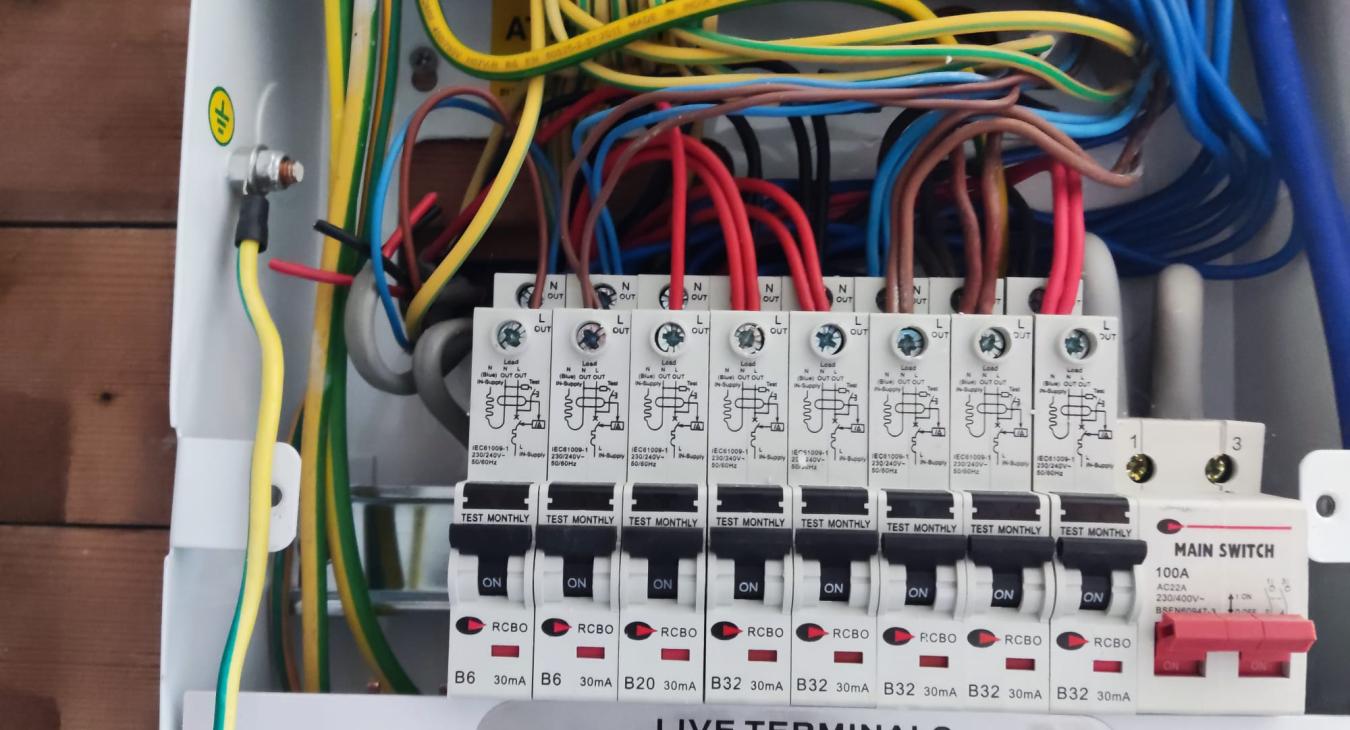
The charger normally requires a dedicated final circuit with suitable protection. An older or full consumer unit does not automatically require a complete fusebox upgrade. Depending on the assessment, a separate EV consumer unit may be appropriate. A plastic enclosure alone is not enough to decide that the existing board must be replaced.
We also assess earthing and protective bonding. Where a PME supply is used for outdoor charging, the design must address the risk of an open PEN conductor. Depending on the equipment and installation, suitable protection may be built into the charger or provided separately. An earth rod is not a universal substitute. Any necessary earthing and bonding improvements should be identified as part of the design.
Step 5: Plan installation day
Agree the final charger position and visible cable route before work begins. We consider access, cable reach, the mounting surface and protection from damage. The cable type and installation method depend on the route and conditions; armoured cable is not necessary in every situation.
A straightforward installation may be completed within a day. Longer routes, difficult access, separate buildings, supply upgrades or remedial work can extend the programme. Confirm the expected duration after assessment rather than assuming every property is the same.
An interruption to the electrical supply may be needed for connection and testing. Tell us beforehand about equipment that needs continuity of power so that suitable arrangements can be discussed.
Step 6: Testing, commissioning and paperwork
Once installed, the new circuit is inspected and tested, and the charger is commissioned to the manufacturer's instructions. Handover should cover normal operation, charging schedules and what to do if a fault appears. App setup depends on the selected model and available connectivity; having your car present helps with a practical demonstration.
Keep the following records:
- Electrical Installation Certificate: this records the new circuit and its inspection and test results.
- Building Regulations documentation: a new circuit at a dwelling in England is notifiable work. The relevant notification or Building Control process is separate from the electrical certificate.
- DNO correspondence: the installer should establish whether prior approval is required or whether the installation meets the criteria for connection followed by notification.
- Product documents: retain operating instructions, warranty terms and any required registration confirmation.
Not every charger installation needs advance DNO permission, but the applicable connection process must be followed. The government's energy-device registration guidance explains the distinction.
Check grants and running costs before committing
Eligible renters and flat owners may qualify for an EV chargepoint grant, subject to the current scheme conditions, parking arrangements and vehicle eligibility. Do not assume a grant applies to an owner-occupied house or can be claimed after installation. Check the current government eligibility rules and application process before work starts.
An off-peak EV tariff can reduce charging costs, but compare the whole tariff: daytime rates, standing charges, charging windows and any equipment restrictions. Your mileage and household usage determine whether it offers good value.
Frequently asked questions
Do I need a new fuse box for a home charger?
Not necessarily. The decision depends on the existing installation and proposed circuit. A suitable separate EV consumer unit can sometimes avoid replacing the main board.
Will a 7kW charger fully charge my car overnight?
That depends on the energy needed, your car's AC charging capability, available charging hours and any load-management limits. Discuss your daily mileage and overnight window when choosing equipment.
Can any electrician install an EV charger?
Choose someone competent in EV charging design, installation and testing who understands the relevant notification processes. Grant work has separate installer-authorisation requirements, and any manufacturer-specific conditions should also be checked.
Can you quote from photos?
Photos and a short video are a useful starting point. We will tell you if a site assessment or further information is needed before confirming the scope and price.
Plan your home charger with Solid Electrics
We serve Southampton and surrounding areas, including Bitterne, Shirley, Sholing, Woolston, Hedge End, Bursledon and Totton.
Send us your postcode, car model, photographs of your consumer unit and meter area, and a view of where you park. Tell us about solar panels, battery storage or a preferred tariff.
Explore our EV charging point installation service, contact Solid Electrics about your installation, or call 023 8181 0636.