A practical guide for Southampton homeowners to EICR intervals, warning signs and understanding your electrical inspection report.
When were your home's electrics last inspected? If the answer is uncertain, an old fuse-box label or a folder of installation certificates is a useful place to start.
For an owner-occupied home, Electrical Safety First recommends inspection and testing at least every ten years. The interval recorded for your installation may be shorter, and warning signs need attention without waiting for that date.
Start with the records you already have
Look for an Electrical Installation Condition Report, known as an EICR, or certificates for substantial electrical work. Check the property details, inspection date, recommended next inspection and any limitations or outstanding observations.
A certificate for a new circuit does not necessarily assess every other circuit in the house. Likewise, a recently replaced consumer unit does not mean that every cable and accessory is new. Tell us which documents you have when asking about an EICR for your home.
Consider changes since the last inspection
The way a property is used can change. Extensions, a converted garage, additional equipment or alterations by previous occupants may affect what should be assessed. Missing records are a reason to ask questions, rather than evidence that work was unsafe.
Buying a property with an unclear electrical history is another sensible point to consider inspection. If possible, obtain advice early enough for the findings to inform your plans rather than waiting until decorating has finished.
Do not wait through warning signs
Repeated tripping, damaged accessories, burning smells and shocks require attention sooner. An urgent fault may need targeted fault finding or immediate safety action before a wider inspection is considered.
An EICR is not a substitute for responding to a current danger. Tell us about the symptom when you enquire so the right type of appointment can be discussed. Do not keep resetting protective devices to postpone an investigation.
What the report does and does not cover
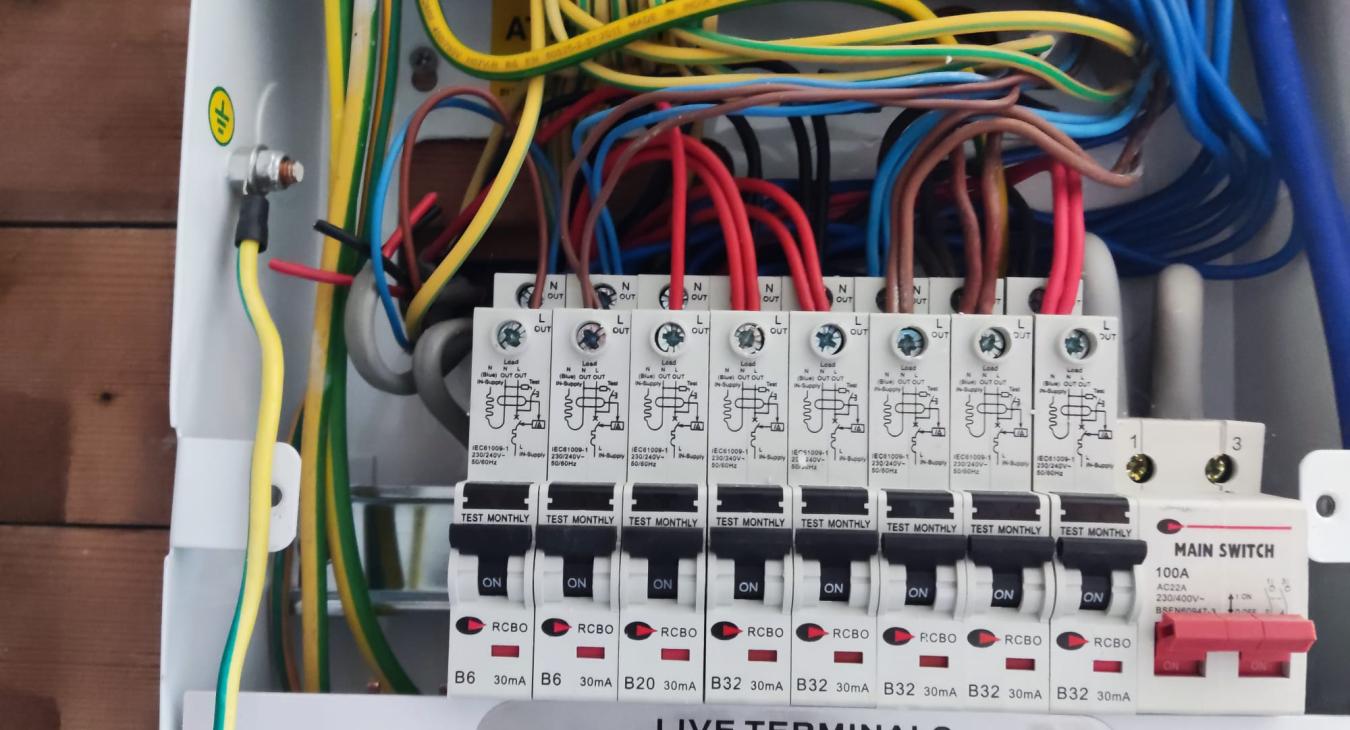
An EICR assesses the condition of the fixed electrical installation within an agreed scope. It records observations, test results and limitations. Access matters: cupboards, sockets and the consumer unit need to be available as agreed.
It is not a guarantee against every future fault, an appliance service or a dedicated smoke-alarm inspection. If you want separate equipment checked, say so beforehand. Power interruptions are part of testing and need planning around occupants and equipment.
Put the findings into a practical plan
An older installation can contain serviceable equipment alongside items needing attention. A report should explain the significance of its observations. A consumer unit upgrade may be relevant, but it should follow the installation's needs rather than its age alone.
Ask which items need prompt action and which are recommendations. Keep any later repair certificates with the report so the history remains understandable for the next electrician.
Owner-occupied and rented homes differ
Do not apply a general homeowner interval to a rental property. Landlords in England have specific inspection and follow-up duties, and the current government guidance should be used for the relevant tenancy.
For your own home, the useful next step is to review the records and any changes or symptoms. We can then discuss whether a periodic inspection, a fault investigation or a smaller assessment fits the situation.
Frequently asked questions
Is ten years a guarantee that nothing will go wrong?
No. It is a general inspection recommendation, not a fault-free period. Symptoms, changes or a shorter recorded interval can require earlier attention.
Does an EICR include all my appliances?
It primarily assesses the fixed installation within the agreed scope. Appliance testing and servicing are separate unless specifically arranged with a suitable provider.
Will the electricity be switched off?
Testing involves interruptions to the supply. Tell us about equipment and occupants who need particular arrangements before the appointment.
Does an old consumer unit automatically fail?
No. Observations are assessed against the actual condition and risks. Age alone does not determine the overall result.
Discuss the next step
If you are considering an EICR in Southampton or the surrounding area, including Bitterne, Shirley, Sholing, Woolston, Hedge End and Totton, send us your postcode, a few photos and a short description of what you need. Include the date of any previous report and any concerns about your electrics. We can advise on the next step.
Contact Solid Electrics to discuss your EICR or call 023 8181 0636.