An older fuse box does not automatically rule out a home EV charger. We explain the supply checks, circuit options and load management to consider first.
You have chosen an electric car, but the fuse box looks much older than the charger in the brochure. Does that mean the house needs a complete electrical upgrade before you can charge at home?
The answer depends on the installation and the incoming supply. The existing board, network capacity and proposed charging circuit are related, but they are different parts of the assessment.
Distinguish the consumer unit from the main fuse
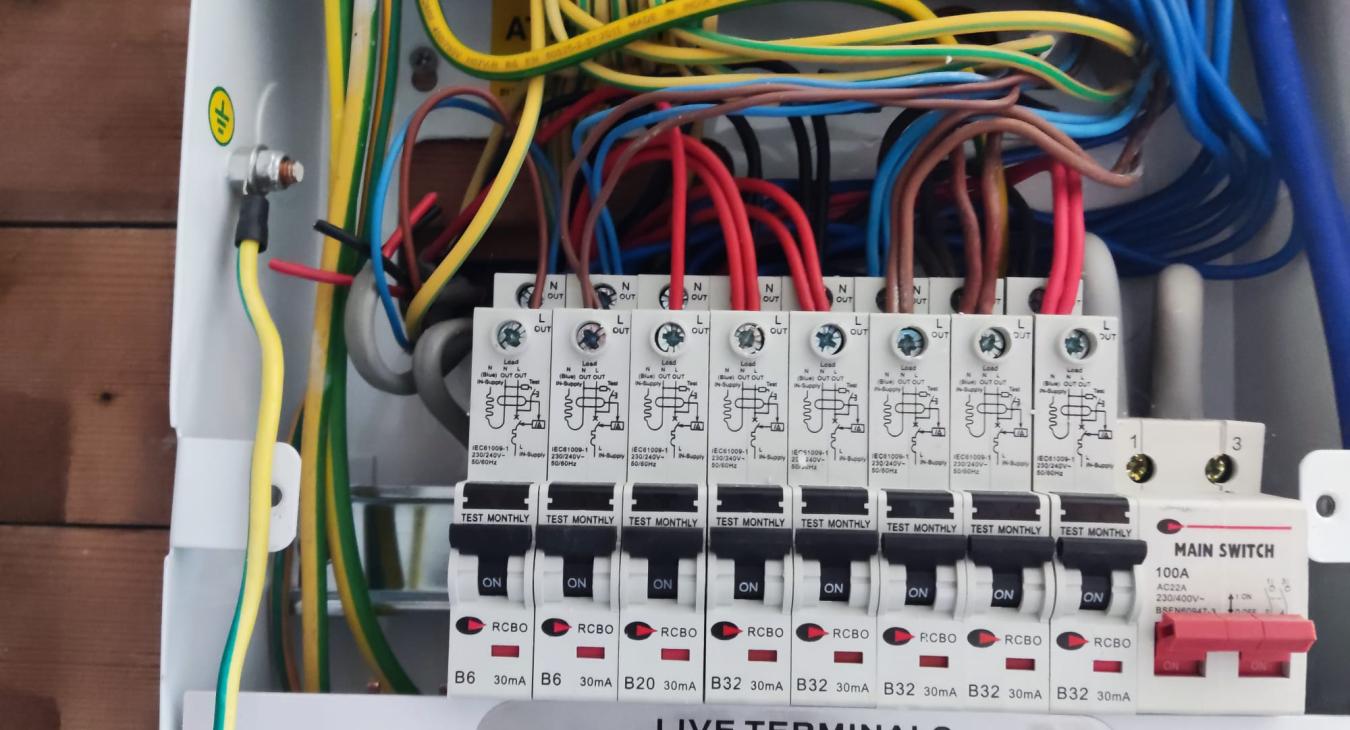
Your consumer unit distributes power around the property and contains circuit protection. The distributor's service equipment forms part of the incoming electricity supply. A label or carrier marking does not always confirm the fuse actually installed.
Photograph equipment only from a safe position with covers in place. Never open sealed service equipment to find a rating. The relevant checks and any network enquiries are part of planning the installation.
Assess the new circuit properly
An EV charger installation needs a suitable circuit design, protection, earthing arrangement and cable route. An empty space in the existing board does not establish that a new device can simply be fitted there.
Depending on the assessment, the solution might use a suitable existing board, a separate dedicated consumer unit or a full fusebox replacement. An old main board does not automatically mean it must all be replaced solely to add charging.
Consider the household demand
Charging can add a sustained load alongside cooking, heating and other equipment. The design needs to consider the available supply and the way those loads interact. Choosing the charger's headline power rating first can miss that issue.
Dynamic load management can reduce charging demand when the property approaches the configured limit. It needs appropriate equipment, installation and commissioning. It does not repair defective wiring or create extra capacity in an unsuitable supply.
Work out what charging you actually need
Tell us your vehicle, normal mileage, parking arrangement and when the car is usually at home. A charging rate that fits your routine may matter more than the largest number on the product page.
Your car's charging capability and settings also affect the result. If reduced charging is part of the design, discuss the effect on charging time before agreeing the equipment. Do not assume a charger always delivers its maximum rating.
Allow for network requirements
The connection process depends on the supply assessment and applicable network requirements. Some installations require approval before connection; others follow the relevant notification route. Any upgrade work and timescale must be confirmed by the responsible network or metering party.
We should not promise a free fuse upgrade or a particular completion date on another organisation's behalf. Ask the quotation to distinguish electrical installation work from any dependency outside that scope.
Send enough information to start
Useful photographs show the consumer unit, meter position and proposed charger location, with a short video of the possible cable route. Include any existing electrical condition report and details of solar panels, batteries or planned heating changes.
That information helps us identify the next checks. The useful outcome is a charger and supply arrangement suited to your property and daily use, with its limits explained before installation.
Frequently asked questions
Must an older consumer unit always be replaced?
No. A suitable separate charging supply may be an option. The complete installation still needs assessment before a design is chosen.
Can load management avoid a supply upgrade?
It may help in some installations. Whether it is suitable depends on the supply, demand and network requirements.
Will the charger always run at full power?
No. Vehicle limits, settings and load management can reduce the rate. Discuss your charging routine as part of the design.
Can I open the main fuse carrier to check its rating?
No. Leave sealed network equipment alone. Provide external photographs and let the appropriate parties establish the supply details.
Discuss the next step
If you are planning similar work in Southampton or the surrounding area, send us your postcode, a few photos and a short description of what you need. We can advise on the next step.