Everything landlords in Southampton need to know about EICR requirements, costs, timelines, legal duties, and how to stay compliant with UK electrical safety regulations.
Being a landlord in Southampton comes with many responsibilities, and electrical safety regulations can feel particularly daunting. If you're feeling unsure about your legal duties or confused by the requirements of a mandatory eicr report, you are not alone. The worry over finding a trustworthy, qualified electrician to carry out the inspection and any necessary repairs-without unexpected costs-is a genuine concern for many property owners just like you.
This straightforward guide is designed to give you complete peace of mind. We believe keeping your tenants safe and your property compliant shouldn't be a stressful experience. We will cut through the jargon, clearly explain what an Electrical Installation Condition Report involves, what codes like 'C1' and 'C2' actually mean, and how to ensure your property is both safe and fully compliant with UK law. Let’s get you the honest advice and clarity you need.
What is an EICR and Why is it Legally Required?
An Electrical Installation Condition Report (EICR) is essentially a comprehensive health check for the fixed wiring and electrical systems within your property. To understand exactly What is an EICR, think of it less as a simple 'pass or fail' test and more as a detailed safety inspection carried out by a qualified and reliable electrician. The inspection assesses the condition of your wiring, fuse box (consumer unit), sockets, and switches to identify any potential dangers, deterioration, or non-compliance with current safety standards.
This process is not just good practice; for many property owners and businesses in Southampton, it's a critical legal and safety requirement that protects people and property.
The Law for Landlords: Private Rented Sector Regulations 2020
For private landlords in England, an EICR is not optional-it is a legal obligation. The regulations mandate that a rented property's electrical installation must be inspected and tested by a qualified person at least every five years. Landlords are required to provide a copy of this report to their tenants. Failing to comply can result in severe penalties from the local authority, including fines of up to £30,000, making it a responsibility you cannot afford to overlook.
EICR vs PAT Testing: What's the Difference?
It’s easy to confuse an EICR with PAT (Portable Appliance Testing), but they cover very different aspects of electrical safety.
- An EICR focuses on the fixed electrical installation-the hidden wiring in the walls, the consumer unit, and fixed connections like sockets and light fittings.
- PAT testing, on the other hand, checks the safety of movable electrical appliances that you plug in, such as kettles, computers, and lamps.
Both are essential for ensuring comprehensive electrical safety in a property.
Benefits Beyond Compliance: Peace of Mind and Insurance
Beyond meeting your legal duties, obtaining a satisfactory eicr report provides genuine peace of mind. It uncovers hidden electrical hazards, significantly reducing the risk of electrical shocks or fires. The report also serves as a valuable, official record of your property’s electrical health, which is particularly useful for homeowners when buying or selling. For Southampton businesses, a current EICR is often a non-negotiable requirement for commercial insurance policies, protecting your investment and ensuring you are fully covered.
The EICR Process: What Our Southampton Electrician Will Do
Understanding the EICR process can feel daunting, but we’re here to make it simple and stress-free. At Solid Electrics, every inspection is carried out by a qualified and competent Southampton electrician, registered with a governing body like NICEIC. This ensures the highest standards of safety and professionalism. The process is thorough but designed to cause minimal disruption, and it's a critical step in ensuring your property is safe - a step that is legally required for landlords in the private rented sector. A typical inspection on a house or flat takes between 2-4 hours.
Step 1: The Visual Inspection
The first stage is a detailed visual check. Our electrician won’t need to dismantle anything at this point; it’s a non-intrusive survey to spot any immediate red flags or visible signs of wear and tear. We will systematically check for:
- Damage to sockets, switches, and light fittings (e.g., cracks or breakage).
- Signs of scorching or overheating around electrical equipment.
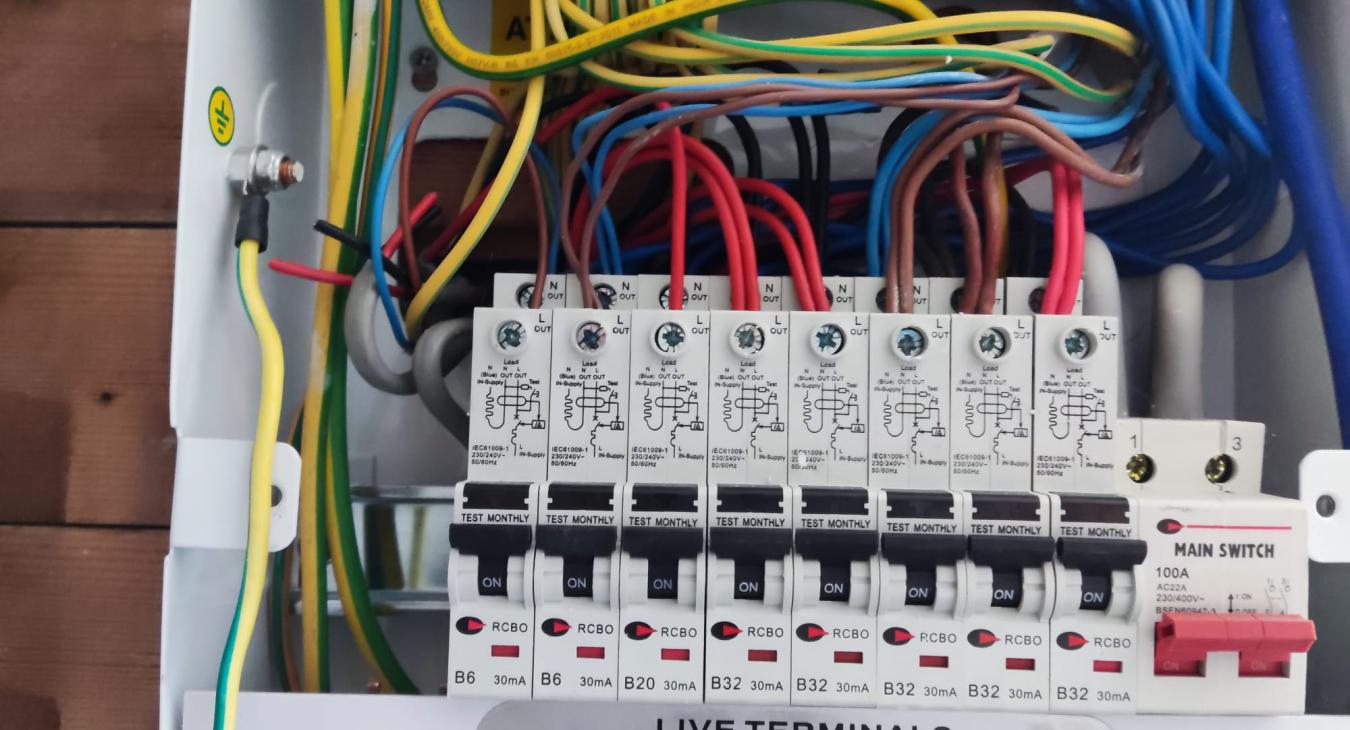
- The condition of the fusebox (consumer unit) to ensure it is not damaged.
- The presence of essential safety features like RCDs (Residual Current Devices).
Step 2: Electrical Testing ('Dead' and 'Live')
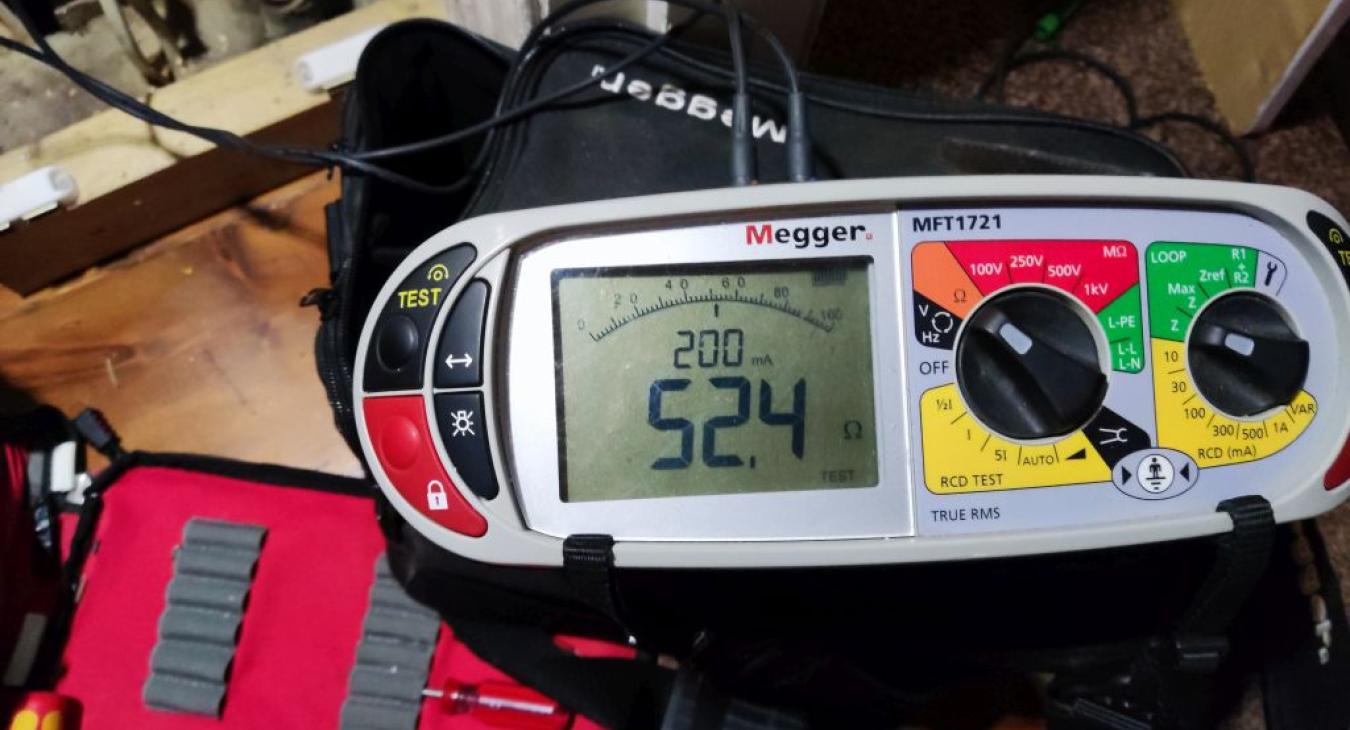
For the next stage, we must turn off the electrical supply for a period to perform 'dead' testing safely. This allows us to check the fundamental wiring, such as circuit integrity and earth bonding, ensuring your system can handle faults correctly. Afterwards, we restore power for 'live' testing, which confirms that crucial safety devices like RCDs and circuit breakers operate as they should under real-world conditions.
How to Prepare Your Property for an EICR
A little preparation helps the inspection run smoothly and efficiently. To ensure our electrician can work safely and complete the job without delay, we kindly ask that you:
- Ensure clear access to the consumer unit (fusebox) and any other electrical outlets.
- Unplug sensitive equipment like computers, TVs, and digital clocks before the appointment to protect them from the power being switched on and off.
- Inform tenants or other occupants about the date, time, and the need for a temporary power outage.
Once these steps are complete, our electrician will compile all the findings into a comprehensive eicr report, which we will explain to you in clear, straightforward terms.
Understanding Your EICR Report: What the Codes Mean
Once your electrical inspection is complete, you will receive a detailed document. The most important part of your eicr report is the final outcome, which will be either 'Satisfactory' or 'Unsatisfactory'. It’s important not to panic if you see an 'Unsatisfactory' result. For many Southampton businesses, especially those in older properties, this is a common outcome and simply provides a clear, actionable list to ensure your premises are safe.
The report uses a simple coding system to classify any observations or issues found during the inspection. Think of it as a priority list for your electrical safety. Here’s what each code means in practice.
Code C1: Danger Present - Risk of Injury
This is the most critical classification and indicates an immediate risk of injury or electric shock. Our qualified electrician is required to take immediate action to make the situation safe. This might involve isolating the circuit or carrying out an emergency repair on the spot. You will be informed straight away.
- Examples: Exposed live wires, conductive parts that are live, or a faulty main earth connection.
- Action: Must be rectified immediately.
Code C2: Potentially Dangerous
A C2 code means there is a defect that could become a danger in the future. While not an immediate threat like a C1, it is still a significant risk that requires urgent attention to comply with safety standards. Any C1 or C2 codes found will automatically result in an 'Unsatisfactory' eicr report. For landlords, failing to address these issues can breach the government guidance on electrical safety.
- Examples: Lack of RCD protection for sockets that may be used for outdoor equipment, or incorrectly sized fuses or circuit breakers.
- Action: Urgent remedial work is required.
Code C3: Improvement Recommended & FI: Further Investigation
These codes will not cause your report to be 'Unsatisfactory'. A C3 code is a recommendation for an improvement that would enhance the safety of your installation. An 'FI' code means that our electrician encountered a limitation during the test and further investigation is needed to determine if a fault exists.
- C3 Examples: Outdated wiring colours that don’t align with current regulations, or sockets located in positions that are no longer compliant.
- FI Examples: A circuit that could not be fully tested because it couldn't be switched off.
My Report is 'Unsatisfactory'. What Happens Next?
Receiving an 'Unsatisfactory' rating on your Electrical Installation Condition Report (EICR) can be worrying, but there’s no need to panic. This is a common outcome designed to identify potential risks before they become serious hazards. For landlords in Southampton, the law provides a clear and manageable path forward to ensure your property is safe and compliant.
You are legally required to have the necessary remedial work completed within 28 days of receiving the report. This work must be carried out by a competent and qualified electrician. Once the repairs are finished, you need to obtain written confirmation that the safety standards are now met. This process protects you, your tenants, and your investment.
Getting a Quote for Remedial Work
Your unsatisfactory eicr report will contain a list of observations, coded C1 (Danger present) or C2 (Potentially dangerous). These are the issues that must be fixed. At Solid Electrics, WE WILL provide you with a clear, written quote that details the exact cost to rectify every C1 and C2 fault. An itemised quote is essential, as it gives you complete transparency over the work being done and ensures there are no hidden fees.
Completing the Repairs and Proving Compliance
Once you approve the quote, our qualified electricians will complete the repairs efficiently and to the highest safety standards. After the work is done, you will receive an Electrical Installation Certificate (EIC) or a Minor Electrical Installation Works Certificate (MEIWC). This new certificate, kept alongside your original EICR, serves as official proof that your property is now electrically compliant. You must provide this confirmation to your tenant and also to the local council if they request it.
Choosing Solid Electrics for Your EICR and Repairs
We make the entire process fuss-free. From the initial inspection to the final certification, our reliable Southampton electricians offer a seamless service. We handle the detailed reporting, transparent quoting, and high-quality remedial work to ensure your property meets all legal safety standards. We are your local, trustworthy partner in electrical compliance. Ready to get started? Get a transparent, fixed-price quote for your EICR today.
EICR Costs and Frequency in Southampton
Understanding your responsibilities around electrical safety includes knowing how often an inspection is needed and what a fair price looks like. As your local, reliable Southampton electricians, we believe in providing clear, honest advice. This guide will help you budget for and schedule your next Electrical Installation Condition Report, ensuring you remain compliant and, most importantly, safe.
How Often Do I Need an EICR?
The recommended frequency for an EICR depends on the type of property you own or manage. Adhering to this schedule is a critical part of your duty of care and legal obligations.
- Private Rented Properties: It is a legal requirement to have an inspection at least every 5 years. An EICR is also required upon a change of tenancy.
- Owner-Occupied Homes: While not a legal mandate, best practice is to have an inspection every 10 years, or when you first move into a new home.
- Businesses & Commercial Properties: This varies by the type of business, but a 5-year interval is the standard recommendation for most commercial premises like offices and shops.
How Much Does an EICR Cost?
The cost of an EICR is determined by the size of your property and, more specifically, the number of electrical circuits that need to be tested from your consumer unit (fuse box). A larger property with more circuits will take a qualified electrician longer to inspect thoroughly.
As a guide, typical prices for an eicr report in the Southampton area are:
- 1-2 Bedroom Flat: £200 - £260
- 3-4 Bedroom House: £300 - £450
A word of caution: be wary of quotes that seem too good to be true. An exceptionally cheap EICR can sometimes signal a rushed inspection that misses critical safety issues, or it may be a tactic to find fault and generate expensive, unnecessary repair work. A professional inspection is an investment in safety, providing peace of mind that the job has been done right by a trustworthy electrician.
At Solid Electrics, we provide detailed, fair, and transparent quotes. We will give you an honest assessment of your electrical system, with no hidden surprises. Contact us for a no-obligation EICR quote for your property.
Your Partner for Electrical Safety and Landlord Compliance
As a landlord in Southampton, your responsibilities are significant, but ensuring electrical safety doesn't have to be complicated. The key takeaways are clear: an EICR is a legal requirement that protects your tenants, the process is straightforward with a qualified professional, and even an 'Unsatisfactory' outcome provides a clear path forward for necessary repairs. Ultimately, a comprehensive eicr report is your proof of due diligence and your peace of mind.
Choosing the right electrician is crucial. As your local, trustworthy Southampton electrician and a NAPIT Approved Contractor, we pride ourselves on transparency and reliability. We provide clear, written quotes for all work, so you know exactly where you stand.
Need a reliable EICR in Southampton? WE WILL provide a thorough, honest assessment. Get Your Fixed-Price Quote Today. Let us help you keep your property safe, compliant, and stress-free.
EICR Report: Frequently Asked Questions
How long is an EICR certificate valid for?
For most Southampton businesses and commercial properties, an EICR is valid for a maximum of 5 years. The same 5-year rule applies to landlords with privately rented properties. It is a legal requirement to ensure these are renewed on time to remain compliant. We recommend keeping a clear record of your inspection date, and for peace of mind, we can set up a reminder for you when your next inspection is due.
Do I need a completely new EICR after remedial work is done?
No, you do not need to pay for a second full inspection. Once any necessary repairs are completed by a qualified electrician, you will be issued with an Electrical Installation Certificate (EIC) or a Minor Electrical Installation Works Certificate (MEIWC). This document, when kept with your original 'Unsatisfactory' EICR report, serves as proof that all identified issues have been safely resolved. We always provide the correct documentation for any remedial work we complete.
Can I fail an EICR for having an old-style fusebox?
Not automatically. The presence of an older fusebox (consumer unit) is not an immediate fail. The outcome depends on its condition, material, and location. For example, a plastic unit without adequate fire protection might be noted as C3, ‘Improvement Recommended’. However, if it shows signs of damage or overheating, it would be coded as C2, ‘Potentially Dangerous’, resulting in an unsatisfactory report. We will always give you honest advice on what is truly necessary for safety.
Do I have to use the same electrician for the inspection and the repairs?
You are under no obligation to use the same company for both the EICR and the repairs. While it can be more convenient, you have every right to get quotes from other qualified and trustworthy electricians for the remedial work. If you have received an EICR from another firm, we are always happy to provide a clear, written, no-obligation quote for the required repairs, allowing you to make an informed and confident choice for your business.
What happens if a tenant refuses access for an EICR?
As a landlord, you must demonstrate that you have taken all reasonable steps to comply with your legal duties. If a tenant refuses access, you should keep a detailed written record of every attempt made to arrange the appointment. This includes copies of emails, letters, and logs of any phone calls. This record serves as your evidence that you have tried your best to meet your obligations. We can work with you to schedule appointments flexibly to help.
Is an EICR the same as a Landlord Safety Certificate?
The term ‘Landlord Safety Certificate’ is often used generally and can be confusing. For electrical safety, the official document you need is an Electrical Installation Condition Report (EICR). This is the formal report that satisfies the legal requirements for the private rented sector. People sometimes confuse it with a Gas Safety Certificate (CP12), which is a completely separate inspection for gas appliances. We ensure you get the correct, official electrical documentation every time.
Need a compliant EICR in Southampton?
Book your inspection today and receive clear reporting, transparent pricing, and fast remedial support.