A practical guide for Southampton homebuyers: checking existing electrical reports, arranging access and understanding findings before committing to a purchase.
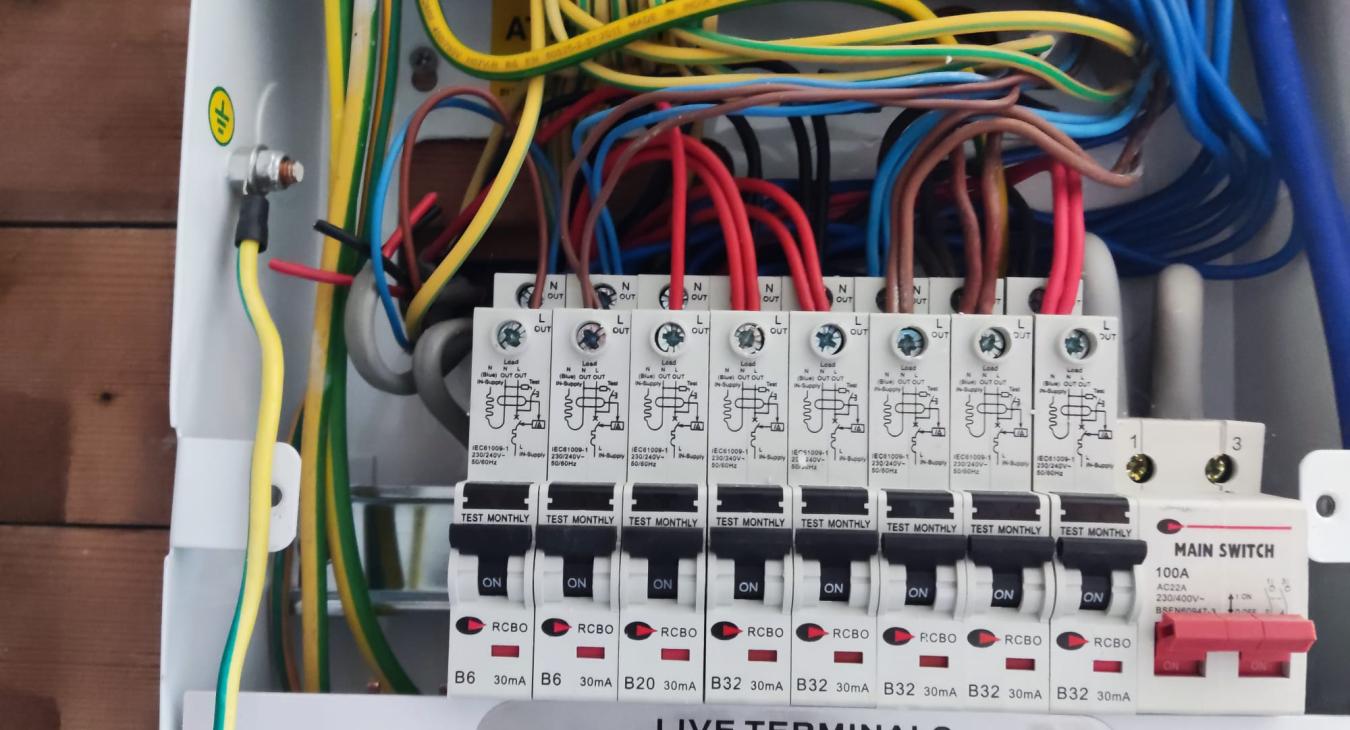
A house can look freshly decorated while its electrical history remains unclear. Before committing to a purchase, it is worth knowing what records exist and whether further inspection would help you make an informed decision.
If an EICR is needed, arranging it before exchange of contracts can give you time to discuss findings with your solicitor. Access and permission must be agreed with the seller or their agent.
Ask for existing documents first
Request any previous condition report and certificates for alterations, a rewire or consumer unit replacement. Check that they relate to the property and ask whether work has been carried out since they were issued.
A recent report may be useful evidence. Its age, scope, limitations and any subsequent changes all matter. There is no need to dismiss it simply because the seller commissioned it, but missing pages or unresolved observations deserve clarification.
Understand the inspection's purpose
An electrical condition report assesses the fixed installation within an agreed scope. It can identify defects and areas needing investigation, helping you plan the next step. It cannot expose every concealed cable or guarantee that no fault will arise later.
A general home survey and an EICR have different purposes. Ask your surveyor what electrical assessment their service includes rather than assuming that a visual comment on the fuse box is a full electrical inspection.
Arrange useful access
The inspector needs agreed access to the consumer unit and relevant parts of the installation. Occupants need notice of power interruptions. A property filled with furniture or locked rooms may create limitations which must be recorded.
Tell us the property size, how many boards you know about and any outbuildings or generation equipment. Avoid promising the seller an exact short appointment before the scope is understood.
Read the observations carefully
The report should explain why an observation matters. An old installation does not receive an unsatisfactory result simply because it has never been tested or does not match every feature of a new build.
Ask for clear explanations of urgent findings, further investigation and improvement recommendations. A recommendation for fault investigation is different from a priced repair: the extent may remain unknown until further work is carried out.
Turn findings into a realistic budget
Where repairs are identified, obtain an itemised scope. A consumer unit replacement, a local accessory repair and a rewire are very different projects. Include likely access and making-good costs in your thinking.
You can discuss the report and repair estimates with your solicitor, but an electrical report does not guarantee a reduction in the purchase price. Whether and how to negotiate is a separate decision within the purchase process.
Keep the documents after moving
Retain the report, any repair certificates and records of subsequent alterations. These help future maintenance and prevent the next assessment starting without a history.
The strongest reason to inspect early is practical: you understand more about the installation before arranging kitchens, flooring or decoration. That makes it easier to deal with necessary electrical work in a sensible order.
Frequently asked questions
Should I wait until completion?
If inspection would affect your decision, discuss arranging it before exchange with your solicitor. The seller must agree access and the testing arrangements.
Can I use the seller's EICR?
It can be useful if it is complete and relevant to the current installation. Check its scope, date, limitations and whether later changes or repairs are documented.
Does a satisfactory report mean everything is new?
No. It concerns the assessed condition within the report scope at the inspection date. Older equipment can still be suitable for continued service.
Are repairs included in the inspection fee?
Do not assume so. Inspection, further investigation and remedial work should have clearly agreed scopes and charges.
Discuss the next step
If you are buying a home in Southampton or the surrounding area, including Bitterne, Shirley, Sholing and Woolston, send us the property's postcode, any existing electrical report, a few safely taken photos and a short description of what you need. Let us know your proposed timescale and who can authorise access. We can advise on the next step.
Discuss your homebuyer's EICR with Solid Electrics or call 023 8181 0636.